


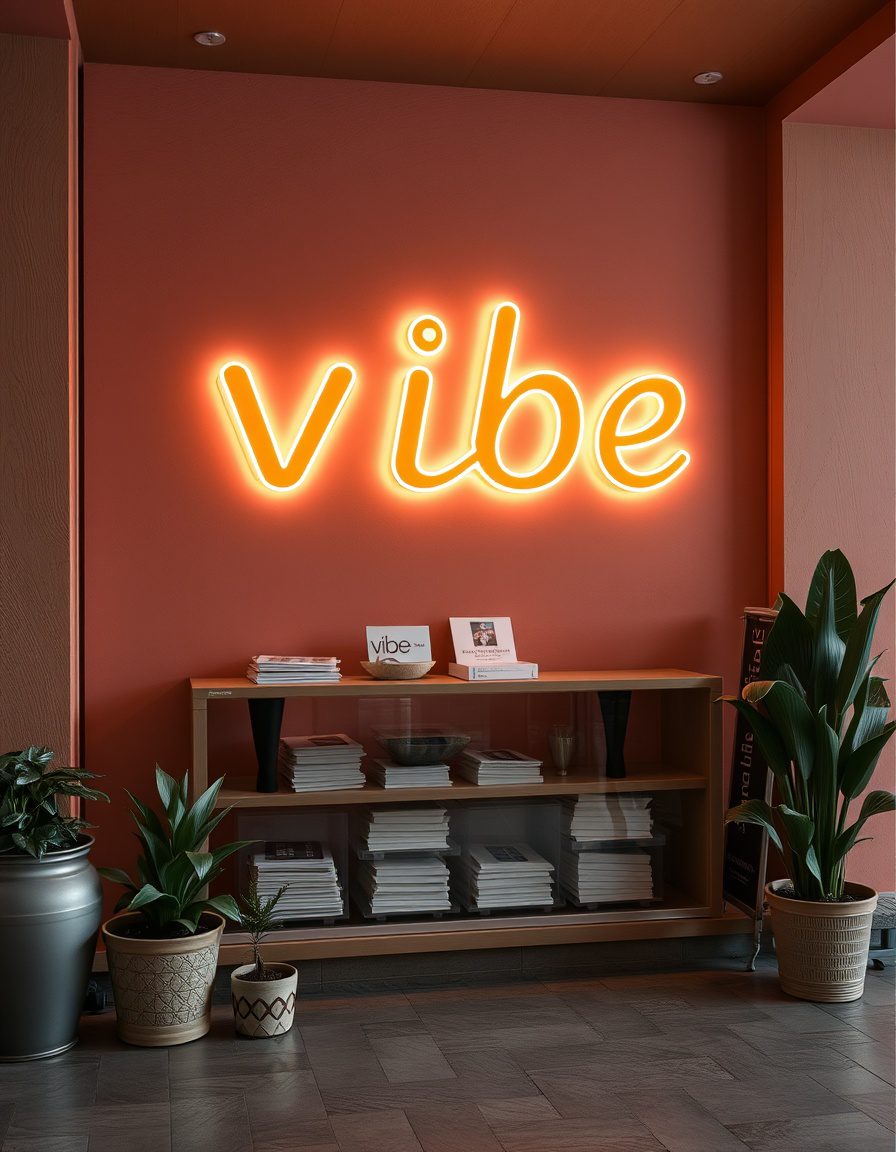
The Trend Everyone Is Talking About
From local coffee shops to fast-growing tech startups, one term is dominating marketing conversations in 2025: vibe marketing. It is the strategy that turns ordinary content into cultural moments and casual followers into loyal fans. Scroll through TikTok, Instagram, or even LinkedIn and you will see it everywhere, brands ditching stiff, scripted campaigns in favor of energy, personality, and emotional pull.
Vibe marketing is not about what you sell. It is about the feeling people get when they interact with your brand. And right now, that feeling is shaping the way businesses of all sizes approach growth.
What Exactly Is Vibe Marketing?
At its core, vibe marketing is about creating emotional resonance and cultural relevance. Instead of focusing on features, specs, or lengthy sales copy, it builds an identity around how your brand makes people feel.
Think of it this way: when a customer walks into a coffee shop, they are not just buying caffeine. They are buying the music playing, the mood of the space, the design of the cup, and the way the barista greets them. That atmosphere is the vibe, and it matters as much as the product itself. Online, the same principle applies. The tone of your TikToks, the style of your Instagram posts, even how you reply to comments all contribute to your vibe.
Why 2025 Belongs to Vibe Marketing
There are a few key reasons why vibe marketing has moved from fringe to mainstream this year.
- Attention Is Shorter Than Ever
On most platforms, you have three seconds to capture interest. Traditional polished ads that take time to get to the point often fail. Brands that lead with energy, humor, or authenticity get noticed immediately. - Culture Moves Fast
A trend can spark on TikTok in the morning and feel old by the weekend. Businesses that can ride these cultural waves build relevance quickly. Those that miss them look outdated. - AI Makes It Accessible
With tools like Jasper, Canva AI, and CapCut, small businesses no longer need giant budgets to keep up. They can create and test dozens of variations quickly, making vibe-driven strategies realistic for everyone. - Authenticity Wins Trust
Consumers are tired of overproduced ads that feel detached. They want brands that feel human, admit mistakes, and show real personality. Transparency has become a growth strategy.
The Key Ingredients of a Strong Vibe
So how do businesses create a vibe that works? Successful strategies tend to focus on a few consistent elements.
Emotion Over Perfection
The most engaging content is not always the most polished. Quick behind-the-scenes clips, real customer reactions, or lo-fi videos often outperform expensive shoots because they feel genuine.
Cultural Alignment
Audiences connect with brands that “get it.” Whether it is using trending audio, adapting memes, or speaking in the same tone as the community, aligning with culture makes your content feel alive instead of corporate.
Speed and Agility
Posting weeks after a trend takes off will not work. Brands need to experiment fast, adapt quickly, and adjust in real time. AI tools and automation allow for rapid testing and faster responses.
Listening in Real Time
Comments, DMs, and reactions are not just background noise. They are signals. Brands that listen and adapt their tone, style, or content based on feedback create a dynamic relationship with their audience.
Radical Transparency
More brands are pulling back the curtain, sharing updates, progress, and even flaws. This honesty turns audiences into participants rather than passive viewers. And it builds loyalty that outlasts campaigns.
Why Small Businesses Are Winning With It
You might assume vibe marketing is only for major consumer brands, but small businesses are actually leading the charge. They have less red tape, fewer approval processes, and the ability to act quickly.
A local restaurant can jump on a trending TikTok sound in hours. A startup can test three ad variations in a single day. These smaller players are proving that vibe marketing is not about budget, but about agility and authenticity.
Some examples:
- A skincare brand boosted loyalty signups by 45 percent with unfiltered TikTok testimonials.
- A bakery increased foot traffic by 30 percent after posting 20-second recipe hacks.
- A lifestyle retailer cut content production costs by half with AI and doubled engagement by prioritizing cultural relevance.
Is It Just Hype?
Every new marketing trend invites skepticism. But the numbers suggest vibe marketing is more than hype. Data shows emotional campaigns consistently outperform neutral ones, and culturally aligned content gets more shares, likes, and conversions. Engagement is higher, retention is stronger, and costs are often lower when brands prioritize vibe.
The risk is not in trying vibe marketing. The risk is ignoring it. In 2025, audiences reward brands that feel connected and punish those that feel robotic or out of touch.
The Future of Branding Is a Vibe
Vibe marketing is not a gimmick. It is a shift in how branding works. The businesses that succeed are the ones that create an atmosphere people want to be part of. They are not selling products. They are selling feelings, identity, and culture.
As more businesses, from coffee shops to global tech firms, embrace this approach, the lesson is clear: the future of branding is not what you say, but the vibe you create. And in 2025, every business is being judged by it.



Comments are closed