


A New Era of Screen Commerce
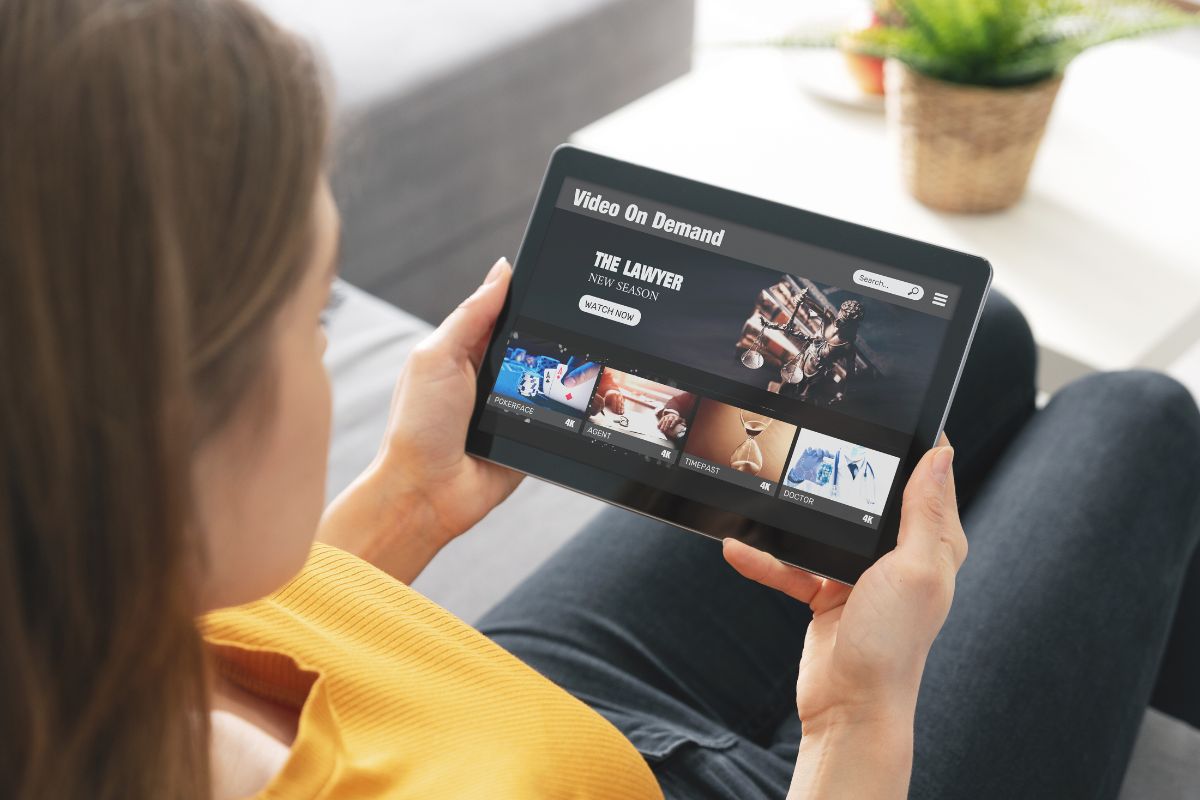
Remember when ads lived in banner boxes and thirty-second TV spots? Those days feel prehistoric compared with today’s always-on ad ecosystem. Now every screen, scroll, and smart speaker offers brands a shot at your attention, turning chill time into checkout time. From Amazon product grids to ad-supported streaming tiers, the line between entertainment and ecommerce is fading fast. In this post we dive into why your favorite series now doubles as a storefront, how retail media networks reshuffle the marketing deck, and what these shifts mean for both shoppers and small businesses looking to stay visible.
Streaming and Shopping Merge Into Prime Real Estate
Connected TV: The New Neighborhood Billboard
More than seventy percent of TV minutes in the United States now happen on channels that serve ads, whether you watch through cable, Roku, or Peacock. Platforms that once bragged about ad-free bliss, like Netflix and Disney Plus, have rolled out lower-priced tiers with ad breaks. The payoff for marketers is clear: access to massive, targetable audiences without shelling out Super Bowl budgets.
Retail Media Networks: Aisles Meet Algorithms
Scroll Amazon or Walmart.com and you will notice sponsored products topping search results. Those placements are not random. Retailers tap into first-party data-past purchases, wish lists, delivery addresses-to serve high-intent ads when shoppers are centimeters from hitting “add to cart.” For brands, this is gold. A connected TV spot sparks curiosity, while a retail media placement seals the sale.
Five Forces Fueling the Ad Boom
- First-party data dominates
With privacy laws curbing third-party cookies, retailers and streamers rely on their own sign-in data for laser targeting. These authenticated insights track what you binge-watch and what you buy, giving marketers a direct path to conversion. - DIY ad dashboards democratize spend
Amazon Ads, Roku OneView, and Walmart Connect offer self-serve tools that let mom-and-pop brands test campaigns with modest budgets. Real-time bidding adjusts placements on the fly, so every dollar hits the highest-value viewer. - Attribution clarity closes the loop
Closed ecosystems can match impressions to clicks, searches, and even brick-and-mortar purchases. That level of reporting keeps CFOs happy and fuels reinvestment. - Cord-cutting escalates reach
Households ditching cable still crave new content, accepting lighter ad loads for lower subscription fees. Advertisers gain TV-scale reach with digital-style targeting. - Social saturation drives diversification
As social feeds overflow, brands hunt for fresh eyeballs in environments where consumers already intend to spend or relax. Retail sites and streaming apps fit the bill.
Viewers Feel the Shift
Relevance Can Be Refreshing
Imagine watching a travel documentary only to see a luggage promo instead of a generic cereal ad. Done right, contextual ads feel helpful rather than annoying.
Fatigue Is Real
The flip side? Seeing that same luggage spot every seven minutes. Without smart frequency caps, personalization turns into repetition, and viewers click away.
Interactive Moments Win
Shoppable overlays and scannable QR codes give viewers a “buy now” button without leaving the show. Early tests show higher engagement when calls to action appear right after plot peaks or cliff-hangers.
Small Brands, Big Opportunities
Many small and medium businesses think CTV and retail media are reserved for Fortune 500 giants, but the barrier to entry keeps dropping. Here is how to play:
- Start micro, aim macro
Test campaigns with tight geos or niche audiences, then scale spend on winners. - Refresh creative often
Rotate imagery and copy every few weeks to dodge ad fatigue. - Pair data points
Combine platform analytics with Google Analytics or Shopify sales data to see the full customer journey. - Negotiate extras
Ask inventory owners for value-added perks like homepage banners or influencer tie-ins to stretch budgets.
The Big Picture: Platforms, Regulators, Investors
- Platforms will race to invent new ad slots-from voice-activated shopping on smart TVs to immersive product placement in live sports. Inventory scarcity could drive CPMs upward, so plan budgets early.
- Regulators in Canada and the U.S. will scrutinize how companies fuse viewing data with purchase behavior. Expect stricter consent rules and audits around cross-device identity matching.
- Investors should watch companies building measurement tech that bridges retail media and CTV. Brands able to pivot budgets quickly will stand out when legacy channels underperform.
Three Predictions for 2026
- Real-time stock ads inside shows
Picture a sitcom scene where a sofa’s price tag updates live based on inventory-personalization meets product placement. - Voice-activated cart drops
“Alexa, buy that blender” during a cooking show may feel futuristic now, but integrations between smart speakers and streaming apps will make it seamless. - AI-swapped brand cameos
Post-production tools will swap logos on coffee cups or stadium signs based on viewer profile and time zone, transforming static sponsorships into programmatic real estate.
Quick-Fire Takeaways for Decision Makers
- Follow attention, not tradition
Audiences hop from couch to phone to checkout in seconds. If your media mix stays siloed, your ROI will too. - Invest in creative diversity
Crisp visuals and dynamic storytelling trump shouty sales copy, especially on the big screen. - Measure holistically
Link retail media dashboards to CRM and ad-server logs. Unified data reveals true incremental lift. - Prioritize privacy now
Bake consent workflows into data models before regulations force last-minute pivots.
Closing Thoughts: Every Screen Is a Storefront
Retail media networks and connected TV have evolved from experimental line items to center-stage budget buckets. Brands that embed messages where customers lounge, scroll, and shop-while respecting privacy and creative quality-will outpace competitors clinging to legacy metrics. The bottom line: your next loyal customer might discover you halfway through a comedy series or during a late-night Amazon search. Be there when it happens, deliver value, and let every moment become a friction-free path to purchase.







Comments are closed