


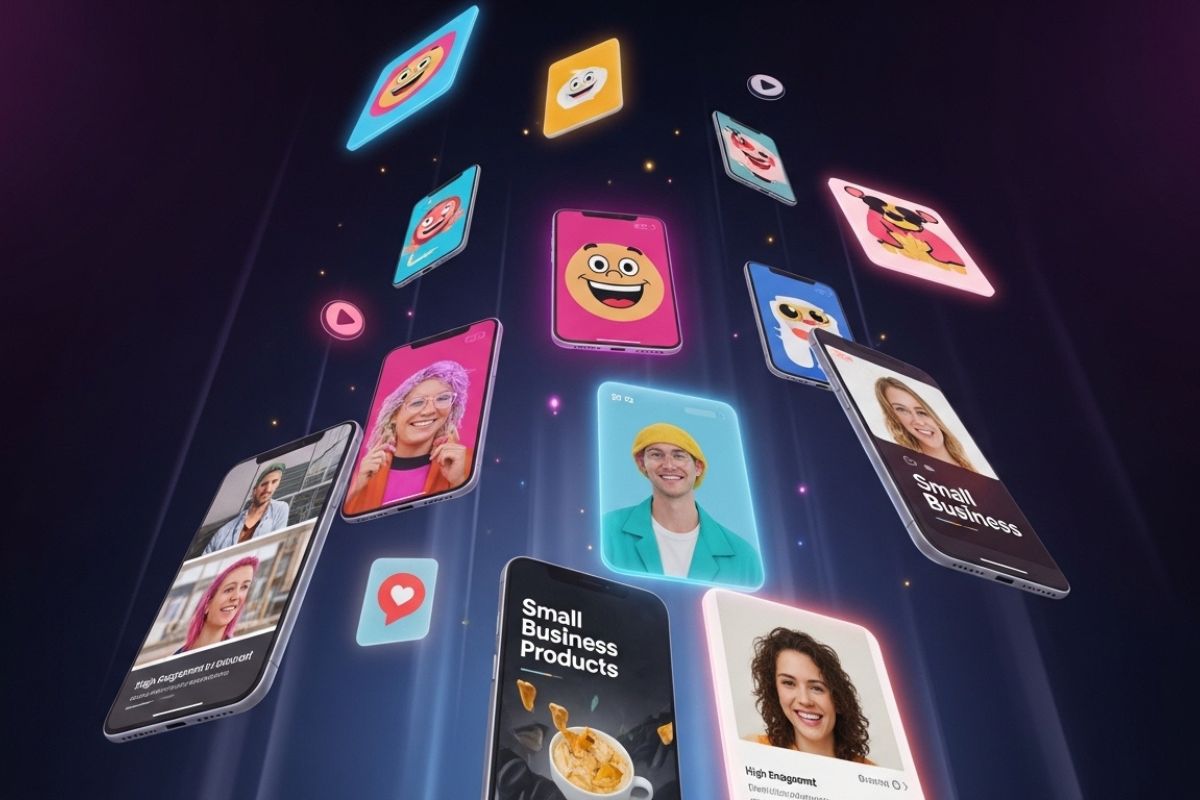
Why TikTok Clips and Local Buzz Mattered More Than Broadcast Ads
For decades, the Super Bowl was the ultimate symbol of big brand dominance. Massive budgets. Thirty second television spots. Carefully scripted commercials designed to be remembered long after the final whistle. Super Bowl LX flipped that script in a way that few expected and many small business owners quietly celebrated.
As the game aired behind exclusive broadcast and streaming deals, something else happened in parallel. Social media exploded. Clips, reactions, memes, and short videos flooded TikTok, Instagram Reels, YouTube Shorts, and X within seconds of every big play. That explosion became a goldmine, not for multinational advertisers, but for small and medium sized businesses that understood how attention works in 2026.
This year, the Super Bowl proved a simple truth. You did not need a seven million dollar ad to win. You needed relevance, timing, and a phone.
When the Game Went Paywalled, Attention Went Everywhere Else?
Super Bowl LX followed the modern broadcast playbook. Exclusive rights. Locked down streams. Premium access for viewers willing to pay or subscribe. That model worked for broadcasters, but it also pushed millions of viewers into a second screen experience.
People did not stop watching. They just stopped watching in one place.
Fans followed highlights through social feeds. They reacted in real time through stories and live videos. They shared opinions, jokes, and takes faster than any broadcast could keep up with. In that environment, attention was not centralized. It was scattered, fast moving, and constantly refreshed.
That is exactly where small businesses thrive.
Social Platforms Turned Into Real Time Marketplaces:
What made Super Bowl LX different was not just engagement. It was how quickly engagement turned into sales.
Shoppable posts, pinned links, and instant checkout features allowed businesses to move from moment to money in minutes. A bakery could post a late night victory dessert bundle. A coffee shop could tease a Super Bowl hangover special for the next morning. A merch seller could drop custom gear tied to a trending play.
None of this required advance planning or massive creative teams. It required awareness and speed.
Social platforms are no longer just where people talk. They are where people buy, especially when emotion is high and friction is low.
Small Businesses Outpaced Big Brands on Engagement:
Data from the forty eight hour window around the game showed a clear pattern. Smaller accounts consistently generated higher engagement rates per post than large brand accounts.
Why? Because they felt real.
Big brands released polished, pre scheduled content. Small businesses reacted live. They filmed staff watching the game. They joked with customers. They leaned into local culture and inside references. Algorithms rewarded that authenticity, pushing content further and faster.
In a year where audiences are overwhelmed by ads, real reactions cut through.
Nano Influencers Did the Heavy Lifting:
One of the most underestimated forces during Super Bowl LX was the nano influencer. Creators with under ten thousand followers drove meaningful traffic and sales for local businesses simply by being part of the moment.
A creator filming their watch party. A local foodie reviewing game day snacks. A neighborhood personality reacting to halftime. These posts felt personal, not promotional.
For small businesses, these partnerships were accessible and affordable. Often they cost nothing more than a free product or a shout out. The return came in trust, clicks, and foot traffic.
Influence in 2026 is not about reach. It is about relevance.
Local Search Turned Buzz Into Foot Traffic:
While social platforms sparked interest, local search closed the loop.
Searches like food near me, coffee near me, and watch party supplies near me surged during and after the game. Businesses with accurate listings, updated hours, and clear offers showed up exactly when demand peaked.
This is where small businesses hold a built in advantage. They are close. They are available. They can deliver now.
Big brands might win awareness. Local businesses win action.
Real Time Promotions Beat Perfect Planning:
Another clear takeaway from Super Bowl LX was the power of real time promotions. Businesses that adjusted offers during the game outperformed those that relied on static campaigns.
Limited time bundles. Flash discounts tied to scores. Morning after recovery deals. These promotions worked because they matched the emotional rhythm of the event.
Big organizations could not move that fast. Approval chains slowed them down. Small businesses acted immediately.
Speed became strategy.
Infrastructure Quietly Determined Who Won:
Not every business that went viral benefited. Some sites crashed. Some checkouts failed. Some could not handle the surge.
The winners had one thing in common. They were technically ready.
Stable websites. Secure payments. Inventory systems that updated in real time. These elements are no longer optional. In a social first economy, success can arrive suddenly. If your systems cannot handle it, opportunity turns into frustration.
Super Bowl LX was a reminder that digital reliability is part of marketing now.
What This Means Beyond the Super Bowl?
This was not just a sports story. It was a preview of how culture, commerce, and media now intersect.
Major events will continue to be paywalled. Attention will continue to flow through social platforms. Consumers will keep rewarding brands that feel human, timely, and trustworthy.
Small businesses are uniquely positioned for this future. They are close to their communities. They can move fast. They can speak with a real voice.
The tools that once belonged only to large brands are now accessible to anyone with a phone and a plan.
The New Reality for Small Business Marketing:
Super Bowl LX did not change the rules. It revealed them.
Social media is no longer a side channel. It is the main stage. Television still matters, but it no longer controls culture. Communities do.
For small businesses across Canada and the United States, this is not a disadvantage. It is an opening.
You do not need permission to participate. You just need to show up.
Super Bowl LX proved that when the biggest event of the year goes behind a paywall, the smartest businesses do not complain. They post. They engage. They sell.
And they win.





Comments are closed